


 SIGN UP FOR OUR


An annual human rights report found the main problem areas in Costa Rica to be “overcrowded prisons, discrimination based on sexual orientation and gender identity, and infringement on the rights of indigenous people,” said the 2016 Country Reports on Human Rights Practices published by the United States Department of State’s Bureau of Democracy, Human Rights and Labor.
Other human rights concerns highlighted in the report include “trafficking in persons, particularly sex trafficking of children.” Domestic violence against women and children was also noted as a concern.
As of June last year Costa Rica’s prison population exceeded its capacity by 41 percent. The overcrowding “made security and control difficult, and contributed to health problems. Poor conditions included inadequate space for resting, deteriorated mattresses on the floor, violence among prisoners, and inadequate access to health services. Illegal narcotics were readily available in the prisons, and drug abuse was common,” said the country report.
The report also pointed to “cases of discrimination against persons based on sexual orientation, ranging from employment, police abuse, and education to access to health-care services,” but said that lesbian, gay, bisexual, transgender, and intersex (LGBTI) organizations operate freely and actively lobby for legal reforms in Costa Rica.
The country’s legislative assembly has still not passed legislation addressing the issue of same-sex marriage. However, in June, the social security system approved a survivor pension for same-sex couples, which complements the 2014 regulation that extends insurance benefits to same-sex couples, said the report.
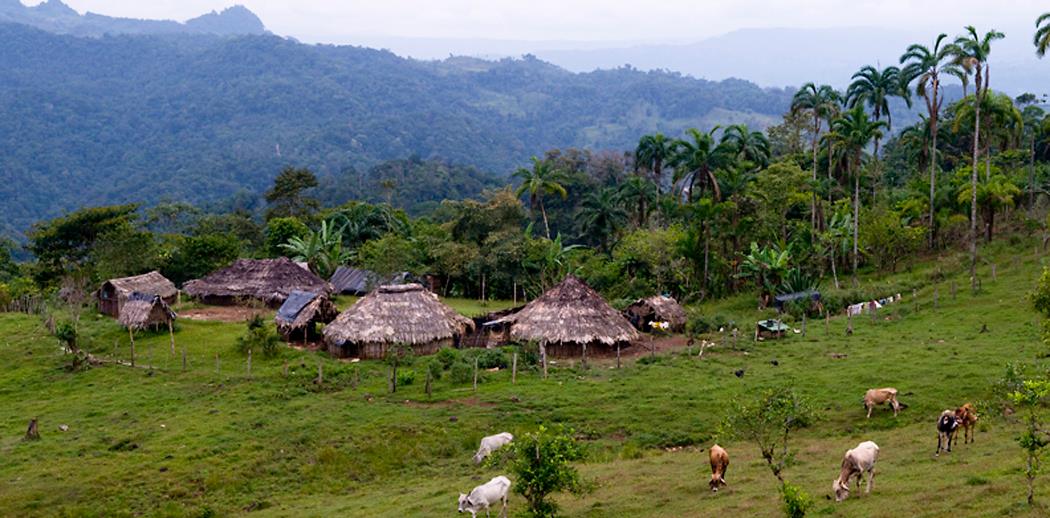
As far as indigenous human rights in Costa Rica, land ownership is an ongoing problem in most of the country’s indigenous territories, continued the report, which cited violent land disputes at the Bribri Salitre and Cabagra reservations between indigenous and non-indigenous last year.
Whereas Costa Rican law protects land in the 24 indigenous reserves as collective, nontransferable property, government missions to the areas show that 38 percent of that land is currently in non-indigenous hands.
The government continued to identify domestic violence against women and children as a serious and growing societal problem, concluded the report. The autonomous National Child Welfare Agency (PANI) reported violence against children and adolescents continued to be a concern, with 10,889 cases reported from January to June last year.
And, said the report, government, security officials, and child advocacy organizations acknowledged that commercial sexual exploitation of children continues to be a serious problem. From January to June, PANI reported 21 cases of commercial sexual exploitation of minors.
As far as child labor, the report detailed that “during the first six months of the year, the Labor Ministry detected and removed from employment 315 minors, 42 under 15, in hazardous jobs, referring them to government agencies for inclusion in social programs.”
These were the main human rights problems in Costa Rica cited by the U.S. State Department. Other areas such as refugee and asylum-seeker rights were also discussed and will be continued in a separate article.



