


 SIGN UP FOR OUR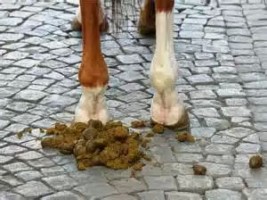
Source: Flickr CC
On the morning of Saturday, December 26th, the traditional Gran Tope Nacional de Costa Rica (equestrian parade) will kick off next to the train tracks of Plaza Viquez, where it will continue on to Avenida Segunda (Second Avenue) until 14th street before flowing through Paseo Colon until La Sabana Metropolitan Park.
The participation of thousands of horses and riders in this annual event guarantees that there will be plenty of horse fecal matter left on the streets and sidewalks of Costa Rica’s capital.
As previously reported by The Costa Rica Star, large equestrian parades are very colorful and folkloric, but they may not be for everyone. Most Tico families have no problem enjoying these events, at least during the first 30 minutes or so.
Once horses and oxen begin to relieve themselves all over San Jose, many people start to wonder: Who gets to clean up this mess?
Equestrian parades in Costa Rica are longstanding holiday traditions that date back several decades; they are known as “topes,” and they are loved by just about everyone who enjoys the sight of magnificently trained horses gait and gallop in the expert reins of their riders. After each tope, however, there is an unpleasant task at hand. What happens to all that’s left behind? Who picks it all up?
The Grand National Tope of San Jose features more than 5,000 Equus Caballus, each carrying the burden of at least one Homo Sapien. A conservative estimate of the amount of equine fecal matter excreted by these splendid beasts during the tope is at least two kilograms per horse. This means that once these majestic brutes gallop back to their stables, they leave behind 10 metric tons of feces spread across San Jose.
Between December and March, dozens of horse parades take place in Costa Rica. The crowded Palmares Festival in the province of Alajuela, for example, kicks off the activities for the following days. There are plenty of topes that can be enjoyed in Guanacaste as well. Any self-respecting tope will feature the participation of at least 500 horses and their riders, but the Grand National Tope in San Jose boasts at least 10 times that figure.
It takes about two dozen municipal employees to clean up after a tope. According to Rebeca Madrigal from online news daily CRHoy.com, these sanitation technicians start at Plaza Viquez and Paseo Colon with brooms, shovels, wheelbarrows, and four special trucks that spray water on the asphalt and sidewalks. The 10,000 kilograms of horse fecal matter becomes manure, and it is nothing compared to the massive amount of beer cans, liquor bottles and food wrappers they also take care of. The crews work throughout the night, and it takes them about 18 hours to return San Jose to her lovable state.
Although topes are a lot of fun, they are not recommended for the ultra-squeamish. Topes are veritable assaults on the senses, particularly with regard to olfactory sensations. The powerful scent of freshly egested horse excrement begins to kick in after about 20 minutes, and it does not mix well with other aromas emanating from humans in attendance; we are talking about tobacco and herbal smoke, beer, liquor, human vomit, sweat, and more. This smell permeates San Jose for about 10 hours after a tope.



