


 SIGN UP FOR OUR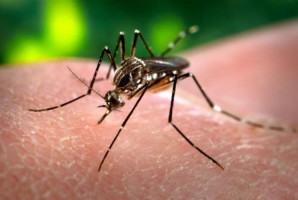
Dengue, Chikungunya, and Zika are spread by the Aedes aegyptie mosquito (Wikimedia Commons)
The number of patients confirmed to be infected with the Zika virus in the popular coastal resort city of Jacó, on Costa Rica’s central Pacific coast, has soared to 28 this week in the most serious outbreak of the Zika virus in Costa Rica to date.
A total of 17 additional cases have been confirmed since Costa Rican health authorities first announced an outbreak of 11 cases last week. Nine new cases were confirmed over the weekend alone, including a woman who is six months pregnant, according to Costa Rica’s Ministry of Health.
Zika causes microcephaly, a birth defect where the head and brain are abnormally small, but as of yet, researchers don’t know what percentage of pregnant women who get the virus end up delivering babies with microcephaly.
The Zika virus is also associated with a form of paralysis called Guillian-Barre syndrome in both children and adults, which can be fatal.
The outbreak in Jacó is alarming residents, visitors and health officials alike – prior to the outbreak in Jacó, there were only 14 confirmed cases of indigenous Zika infection in the entire country: 9 cases in the cantons of Carrillo and Nicoya in Guanacaste, and 5 cases in Alajuelita, San Jose.
Costa Rica’s Ministry of Health says it has fumigated nearly 35,000 homes in the area since the outbreak began about a week and a half ago, but experts admit that the Aedes aegypti mosquito that carries the Zika virus is hard to contain. The mosquito prefers human blood to that of animals, and is a day-time biter.
The same mosquito also spreads the dengue and chikungunya viruses, cases of which have increased six-fold nationwide this year.
Health officials continue to urge the public to be vigilant in removing any areas of standing water around their homes, where mosquitos breed, adding that health officials would also intensify their efforts to fumigate and remove mosquito breeding sites in the city.



