


 SIGN UP FOR OUR
 By Wendy Anders
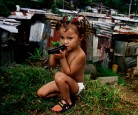
La Carpio, an impoverished neighborhood in the San Jose metro area. (CRS Archive)
The United Nations Committee on Economic, Social and Cultural Rights in mid-October shared with the Costa Rican Ombudsman’s Office observations on health, safety, social issues, poverty, employment, and rights of vulnerable populations; and urged the government to undertake actions in these areas, reported the Ombudsman’s Office.
The first concern was regarding large wait lists and long wait times for health services. Recommendations included the creation of a unique electronic file for all users that can be shared among all public health centers; and ensuring that all medical centers have sufficient and adequate medical staff, supplies and medications.
Regarding poverty, the Committee noted that measures taken to reduce inequality have not been effective. The UN experts urged the creation of specific national poverty-reduction goals, with a focus on human rights, and allocating necessary funding for their implementation.
Another topic of concerns is that the most disadvantaged and marginalized groups are still being kept outside of the social security system, notably they have difficulty accessing the non-contributory retirement scheme. The Committee requested a review of the procedures for the allocation of these pensions to avoid errors and reduce waiting times for beneficiaries who depend on such pensions as the sole source of income.
The UN committee regularly reviews compliance with the International Covenant on Economic, Social and Cultural Rights by all states that have ratified that treaty.
Montserrat Solano Carboni, head of the Ombudsman’s Office, said that the state “must make more progress in combating poverty, ensuring universal social security, preventing child labor, and ensuring quality education, the right to housing, and progress in giving full rights of those who live in Costa Rica.”
In addition to recommendations in other areas, the Committee said that the rights of indigenous peoples to prior consultation on decisions that may affect the exercise of their rights was continually disrespected. The Autonomous Development of Indigenous Peoples bill has still not been voted on in the legislature, said the Committee, and despite the recognition of indigenous territories by the state, in practice, a large portion is occupied by non-indigenous people which generates conflicts.
The UN Committee found that positive developments in Costa Rica had taken place recently, including a change to Article 1 of the Constitution in August 2015 to recognize the country’s multiethnic and multicultural character; the passage in June 2016 of a law on rights for people with disabilities; some labor reforms; and the inclusion of Costa Rica in UN protocols on the rights of children, the protection of people from forced disappearance, and on the rights of people with disabilities.



