


 SIGN UP FOR OUR

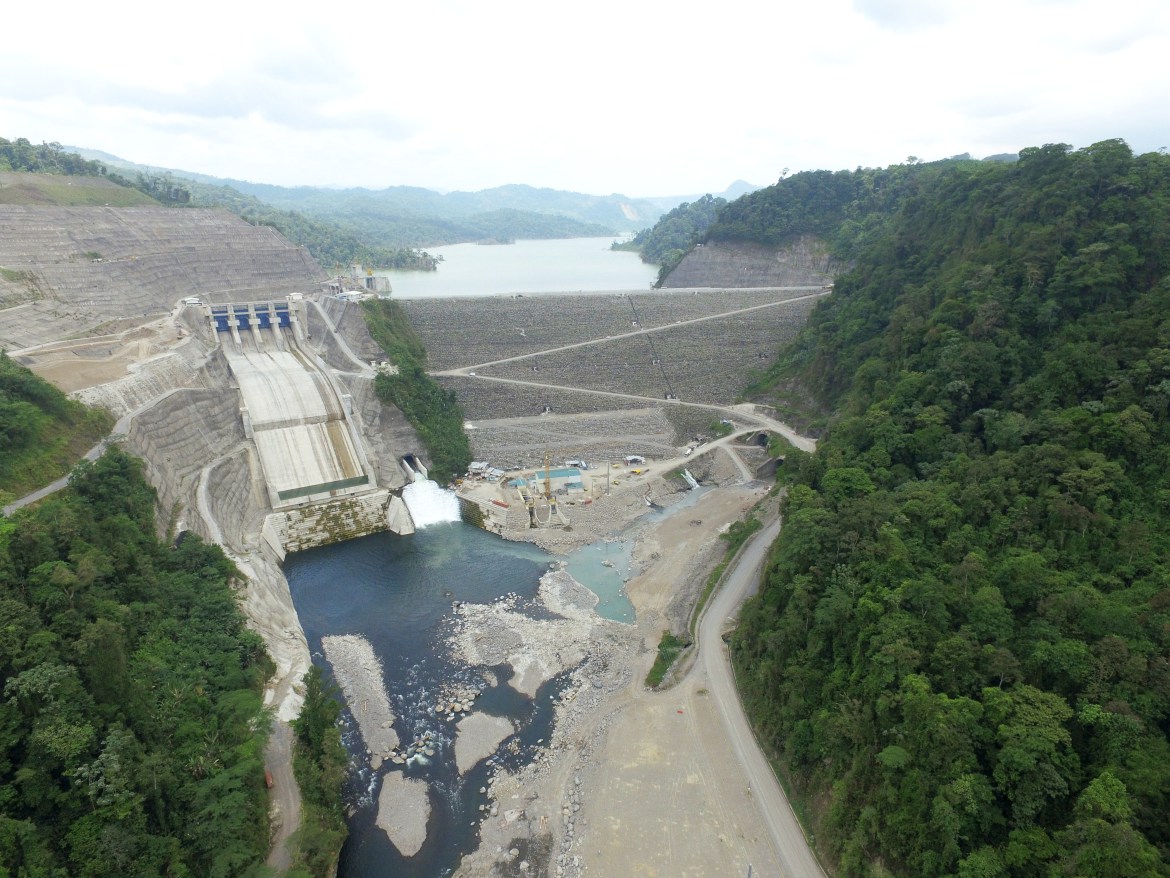
—ICE, the state electric company, has a comprehensive environmental protection program which offsets carbon emissions while at the same time aiding their energy production.
By Wendy Anders
The Costa Rican Electricity Institute (ICE, in Spanish) is using satellite imagery to identify priority areas for reforestation, said Rodolfo Quirós, ICE’s forest management coordinator.
Over the past decade, the institute estimates it has achieved an annual average of 1.8 tons of carbon secuestration (the process of carbon capture and the long-term storage of atmospheric carbon dioxide) through reforestation on its properties throughout the country.
Using a geographic information system, Quirós’ team has satellite images of maps that detail the composition of ICE’s lands, allowing them to identify the location and scope of areas that lack forest cover.
“Since 1960, ICE has planted more than 19 million trees which has aided in soil and water protection, conservation of biodiversity, carbon capture, and the protection of Costa Rican wildlife,” the official said.
Using satellite-generated maps, ICE can readily work to reforest the areas where natural regeneration has not been effective. With three extensive tree nurseries in Cachí (Paraíso de Cartago), La Garita (Turrúcares de Alajuela), and Tronadora (Tilarán de Guanacaste), ICE expects to produce 700,000 seedlings this year, said Quirós.
Of these, half will be donated to public institutions, educational institutions, private companies and non-governmental organizations to undertake their own reforestation projects.
In the areas bordering rivers that feed into ICE’s hydroelectric plants – namely the Reventazón, Tárcoles, Candelaria, Arenal and Tempisque-Bebedero – trees are planted to, “fulfill the function of cushioning the impact of rainfall, reducing erosion and protect surface soil, thus avoiding the arrival of turbid waters to the reservoirs that we administer at our hydroelectric plants,” explained Quirós.
Since 1960, with the creation of the La Garita nursery, ICE has grown more than 19 million seedlings, said Quirós. Several species on the verge of extinction are part of this reforestation effort, including the following trees: Cristobal (Platymiscium pleiostachyum); Real guayacán (Roughbark lignum-vitae; Guaiacum officinale); Cocobolo (Rosewood; Dalbergia retusa); Nazareno (Purpleheart; Peltogyne purpurea); and Ronron (Glassywood; Astronium graveolens).



