


 SIGN UP FOR OUR


By Wendy Anders
Starting in 2011, San José’s largest urban park, La Sabana, began to get a dramatic makeover.
It has consisted in removing entire swaths of non-native trees and reforesting with native trees. Some 3,791 Costa Rican trees are now flourishing in many parts of the park, said Icoder after a recent project update.
One of the hoped for results, was to attract new native animal species to this vital green-space near San José’s clogged center.
The Institute for Sports and Recreation (Icoder) which maintains the park, reported that in recent months at least 11 new birds have been found frequenting the park’s new trees.
An ornithologist who studied the park found migratory species that are uncommon these days in the Central Valley, said Lisseth Villalobos, Icoder’s reforestation project manager in a press statement.
“For the Icoder, this monitoring is extremely important because it gives us a positive parameter on all the work that has been carried out since 2011 with the reforestation. We are providing a necessary space for biodiversity and achieving our objectives,” continued Villalobos.
Over the next two years, Icoder plans to plant a remaining 1,209 trees to meet the project’s total goal of 5,000, many of which are endangered trees.
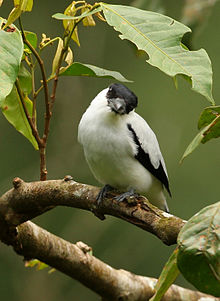
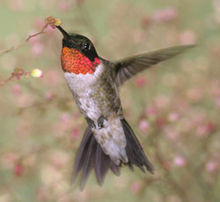
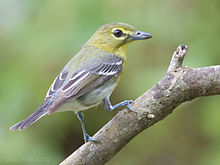
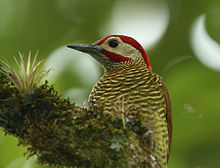
The new bird species detected in this latest survey are the yellow-billed cuckoo (Coccyzus americanus), green-breasted mango hummingbird (Anthracothorax prevostii), ruby-throated hummingbird (Archilochus colubris), southern beardless tyrannulet (Camptostoma obsoletum), yellow-rumped warbler (Setophaga coronata), golden-olive woodpecker (Colaptes rubiginosus), yellow-naped parrot (Amazona auropalliata), olive-sided flycatcher (Contopus cooperi), black-crowned tityra (Tityra inquisitor), yellow-throated vireo (Vireo flavifrons), and the tropical mockingbird (Mimus gilvus), said Icoder.
Over time, birders might be crossing trails with the park’s omnipresent runners and bikers as the tree project continues to bear fruits.



