


 SIGN UP FOR OUR


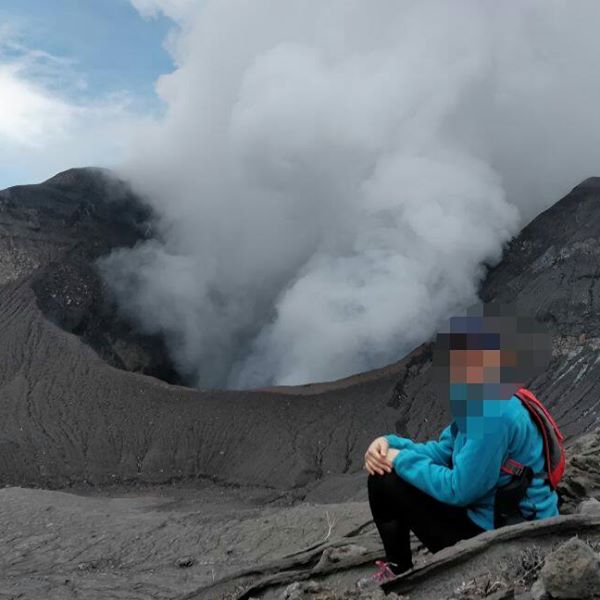
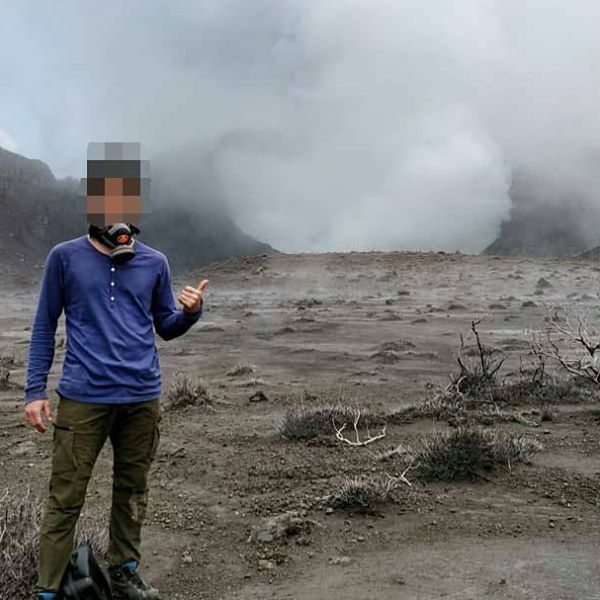
Three irresponsible people once again disregarded the warning signs this time at the Turrialba Volcano National Park and accessed the area closed to the crater putting their lives at risk.
Apparently the three men broke one of the access gates with their car and entered the park illegally, however, authorities only realized what had happened after the damage was done and the men had left the area.
The National Emergency Commission (CNE) in Costa Rica raised its voice once again to ask national and foreign tourists to obey the warning signs and the rules of each National Park.
In the case of the Turrialba Volcano, the area is closed since 2012 due to the constant and intense activity of this volcano. “There is no possibility to recover a body from the active crater of the Turrialba volcano” warned representatives of the CNE, the National University’s Volcanology and Seismology Research Institute ( OVSICORI) and the National Seismology Network.
“It is unacceptable that first response teams are forced to organize rescue missions in areas that are of high risk without any justification. The emergency teams should not have to work in conditions in which they endanger their own lives due to the irresponsibility of others”, stated the press release.
The Turrialba Volcano has a constant emission of toxic gases and high temperature water vapors, it has frequent ash eruptions and occasionally releases incandescent materials.
“The unauthorized access to these areas also causes irreversible damages in the protection structures of the park, such as access gates (…) the government has invested important amounts in the installation of these structures as well as surveillance and research equipment which are exposed to vandalism.”
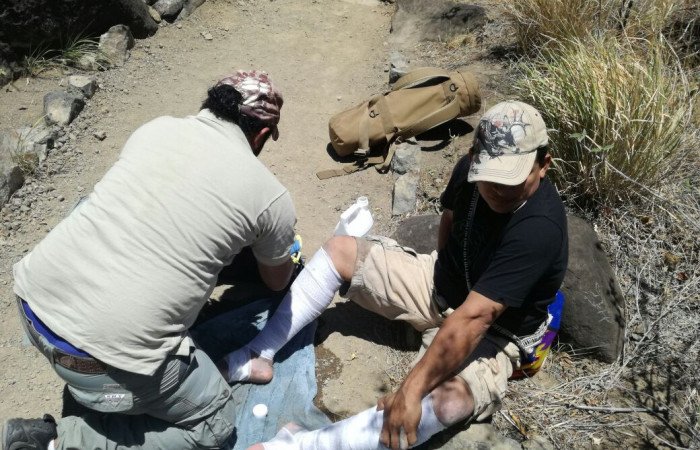
Last week a tourist had to be rescued at the Rincon de la Vieja Volcano after he jumped a protection barrier and got into a fumarole lake where he got stuck suffering first and second degree burns on his legs.
Emergency teams have also been forced in the past to rescue tourists that make their way to the craters of the Arenal and Poas Volcanos.



