


 SIGN UP FOR OUR
 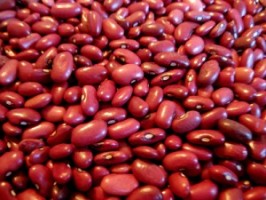 A previous article in The Costa Rica Star discussed the Tayni (pronounced “thai-knee”) red bean, the seedpod of a leguminous plant that was created by the Investigative Project on Beans (PIF) of Zamorano University. Tayni has been around since 2001. The commercial application of Tayni was approved on Thursday, February 23rd, and the Ministry of Agriculture published an official press release that described the properties of Tayni.
That press release caught the attention of James Marshall Black, PhD -an author here at The Costa Rica Star- who pointed out that the Tayni bean project leader, Juan Carlos Rosas, is a geneticist. Given the resistance against transgenic crops and genetically modified organisms (GMO) in Costa Rica, James Marshall’s concern about Tayni was valid.
A new and equally valid concern about Tayni was raised by Professor Rodolfo Araya Villalobos of the University of Costa Rica. Like Juan Carlos Rosas, Mr. Araya is a leading bean researcher at the Experimental Agricultural Station Fabio Baudrit Moreno in Alajuela. Mr. Araya took exception to the Tayni red bean being mentioned in the same article as other GMOs -particularly those from Monsanto- and he provided The Costa Rica Star with an informational brochure on the bean.
Mr. Araya is a foremost authority on genetic improvement of crops, and throughout his long career in the field of bean breed research he has adhered to the highest ethics in terms of research. He is a close adherent to the Nagoya Protocol, the laws of Costa Rica, and our sentiment towards GMOs such as the ones peddled by Monsanto.
The original article on the Tayni red bean concluded that it was created and released in compliance with our Law Number 7788, the Biodiversity Law of 1998 (PDF). This law prevents the introduction of GMOs that are potentially harmful to our ecosystems, such as the controversial transgenic corn strains from Monsanto, MON 810 and MON 863. One of the reasons why Monsanto does not have an office in Costa Rica is that our current laws and future amendments, coupled with our interest in sustainability, prevent many of the company’s contentious -yet profitable- GMO seeds from being grown in our land.
The conclusion of the original article does not intend to throw the Tayni red bean or other seeds that have been improved by traditional genetic techniques. Tayni is nothing like YieldGard corn from Monsanto, for example, which has been legally banned from cultivation in Germany. Ethical biotechnology projects like the Tayni and Bribri beans, which seek to fortify crops and empower farmers, are welcome in Costa Rica.



