


 SIGN UP FOR OUR


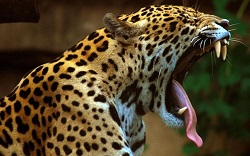


Conservationists have lauded the proactive actions by park officials in the Tortugero, Costa Rica Conservation Area (ACTO, its initials in Spanish) to restrict areas where jaguars have been sighted.
This meant some of the park’s trails were closed to visitors for a period.
However, this has not stopped a “small but powerful tourist business” from organizing unauthorized forays into such areas by holding out hopes to tourists that they may spot the powerful felines, said the Costa Rican Conservation Federation ( FECON), a non-profit conservation and wildlife advocacy group,
In May, trails near the Jalova beach in the southern part of Tortuguero National Park were closed by park officials sue to repeated jaguar (Panthera onca) sitings on and near the beach, reported the Costa Rican National System of Conservation Areas at that time.
Fecon has raised a call among conservationists through the country to protest the creation of “jaguar tourism” in the Tortuguero area which offers expensive packages and flimsy promises.
These tour operators, who were left unnamed by the conservation group, are placing themselves in opposition to park authorities by carrying out a high-risk activity by taking groups into unauthorized areas.
The tour business leaders are also conducting a public campaign that questions the scientific bases of conservation decisions in the park and the legitimacy of an approved municipal wastewater treatment plant, said FECON, areas in which they do not possess technical expertise.
Costa Rican conservationists exhorted the government to continue to “strengthen the country’s scientific committees and national park management plans by basing their decisions and actions on robust criteria … to protect against commercial interests and other threats faced by protected areas.”
The creation of jaguar tours in Tortuguero as a response to a government restriction on human presence in jaguar habitat is an example of commercial interests seeking to defy environmental decisions for private profit, and which conservationists see as a potential growing trend and a threat to the country’s protected areas, said FECON in a press statement.
The following organizations signed on to the statement in support of strengthening the country’s protected areas:
FECON, Bloqueverde, Frente Ecologista Universitario (FECOU), Red de Coordinación en Biodiversidad, Grupo ecologista de Occidente, CoecoCeiba, PROAL , UNOVIDA , Hacia Basura O, Movimiento Ríos Vivos, Comisión de Ambiente y Turismo de Coto Brus, Asociación Mujeres Unidas de África Guácimo, Pacto Mundial Consciente, Finca Amalur, Asociación de Ecología Social, Comisión Defensora de los Ríos Convento y Sonador, Comisión pro Ríos del COBAS, Comité Cívico Agropecuario de Coto Brus Hernando Ureña Brenes, Comité de Agua Longo Mai Abajo, Cámara de Turismo Rural Comunitario de Coto Brus, Comisión de Ambiente y Turismo de Coto Brus, Amigos del Pacuare, Refugio de Vida Silvestre Longo Mai, UNAPROA, Comité Cívico de Buenos, APREFLOFAS, Red Ecologista Estudiantil Popular (REEP), Asociación de Administración del Acueducto de Milano, Ecolur compostaje doméstico, Colectivo de Comunicación Popular Radio Machete, Fundación Bandera Ecológica, Comité ProDefensa Río Virilla, Coronado Por la Naturaleza, Comisión ZP El Chayotey Frente de Resistencia Animal y de La Tierra.
The jaguar is one of the largest Central American, and Costa Rica’s largest, carnivore, and is considered an endangered species. The feline was once fairly common in coastal mangroves, lowland savannas, and wet and dry shrub lands and forest up to about 1,000m elevation. But because its conspicuous tracks, the high value of its pelt, its reputation as a stock killer, and its vulnerability to hound pursuit and hunting, the cat is now rare except in parts of large unhunted reserves. Jaguars are found in Costa Rica in the Tortuguero, Santa Rosa, Corcovado and Rio Macho National Parks, and lower levels of Talamanca mountain range.



