


 SIGN UP FOR OUR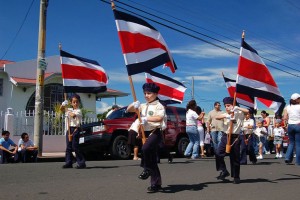
Source: Wikimedia Commons
The traditions surrounding the celebration of Independence Day in Costa Rica have become powerful symbols of the longstanding peace, democracy and civil freedom that Ticos proudly enjoy. It is important to note, however, that these traditions actually originated in other countries, and that other patriotic values are celebrated more so than independence on September 15th.
September is a very patriotic month in Costa Rica. One of the most anticipated traditions in this month takes place on the 14th: the arrival of the Torch of Freedom and Independence, which is lit in the capital of Guatemala. This torch runs down the five nations that achieved independence from Spain in 1821, but it does not travel to Belize or Panama because these two countries achieved independence by other means. It is important to note, however, that cultural and economic integration of these nations into the Central American and Caribbean communities has greatly improved in recent decades.
The Torch and the Lanterns
The torch arrives in Costa Rica on the eve of Independence Day. What happens next is the crepuscular March of the Lanterns, a tradition that is dear to Tico children. This tradition is based on the factual accounts of Dolores Bedoya, a Guatemalan woman who took a torch in hand to motivate her neighbors to celebrate the announcement of freedom from Spanish rule, which was communicated on September 14th, 1821. Ms. Bedoya also led her neighbors in patriotic chants, which is why the National Anthem of Costa Rica is chanted at 6:00 pm on September 14th.
It is often claimed that Costa Rica did not fight for her independence, and that we are indebted to Mexico for the bloodshed that their brave soldiers endured from September 16th, 1810 until September 27th, 1821. While it is true that Guatemala and other nations contributed more army units during the Mexican War of Independence, volunteers from Costa Rica did travel north to join the war effort. The Spanish Crown designates in Costa Rica at that time were not as brazenly oppressive or as bellicose, and thus skirmishes were kept to a minimum. A historical tidbit in this regard is that Costa Rica was actually under the rule of the Mexican Empire after declaring her independence, but this did not last long.
The Parades
Despite being located in the volatile and economically challenged Central American Isthmus, Costa Rica has been able to develop and thrive without armed forces for more than six decades, and this achievement is more highly regarded than the actual independence. The parades on September 15th have a semblance to the close-order drill of military formations, and this is but a vestige of life in Costa Rica prior to the abolition of her armed forces in 1949. No weapons are displayed at these parades, which are largely performed by public school students.



