


 SIGN UP FOR OUR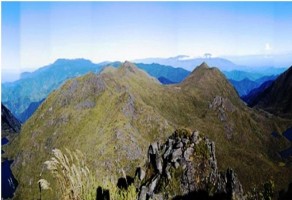
Wikimedia Commons
A tourist from the United States passed out and passed away from an apparent cardiac arrest while trying to summit the highest mountain in Costa Rica. The 65-year old man was a lone hiker who entered the Chirripo National Park without proper authorization.
According to a report filed by Pablo Rojas of online news daily Costa Rica Hoy, the U.S. tourist was about seven kilometers from Los Crestones, a shelter and waypoint for hikers and climbers who wish to summit Cerro (Mount) Chirripo. This mountain’s elevation is 3,820 meters (12,533 ft), and the summit can be reached by means of a 19.5 kilometer (12.1 miles) hike on a relatively accessible trail that is perfect for ecotourism.
Chirripo National Park administrator Bernal Valderramos explained to Costa Rica Hoy that:
“It was around 10:00 am that we were notified of the incident by a mountain guide. Other hikers saw him reach the Llano Bonito sector of the mountain, where he stopped to rest and eat before continuing on his hike. About 200 meters later, he plummeted to the ground lifeless. We called the Red Cross, but we also called the Office of Judicial Investigations since we knew that the coroner would need to be involved.”
The departed tourist was still far from the summit when he shuffled off this mortal coil. It is interesting to note that park rangers and mountain guides did not have any information on this man because he was an “illegal hiker.” His body was transported off the mountain on horseback.
Although Mount Chirripo is within a National Park of Costa Rica and open to everyone, climbing or setting off on the hiking trail requires visitors to check in at San Gerardo, where they will be given a permit. The purpose of this permit is to allow park rangers, mountain guides and rescuers to be aware of all climbers and hikers at Mount Chirripo. The departed tourist skipped this check-in process and decided to be a lone hiker, which is never recommended.



