


 SIGN UP FOR OUR

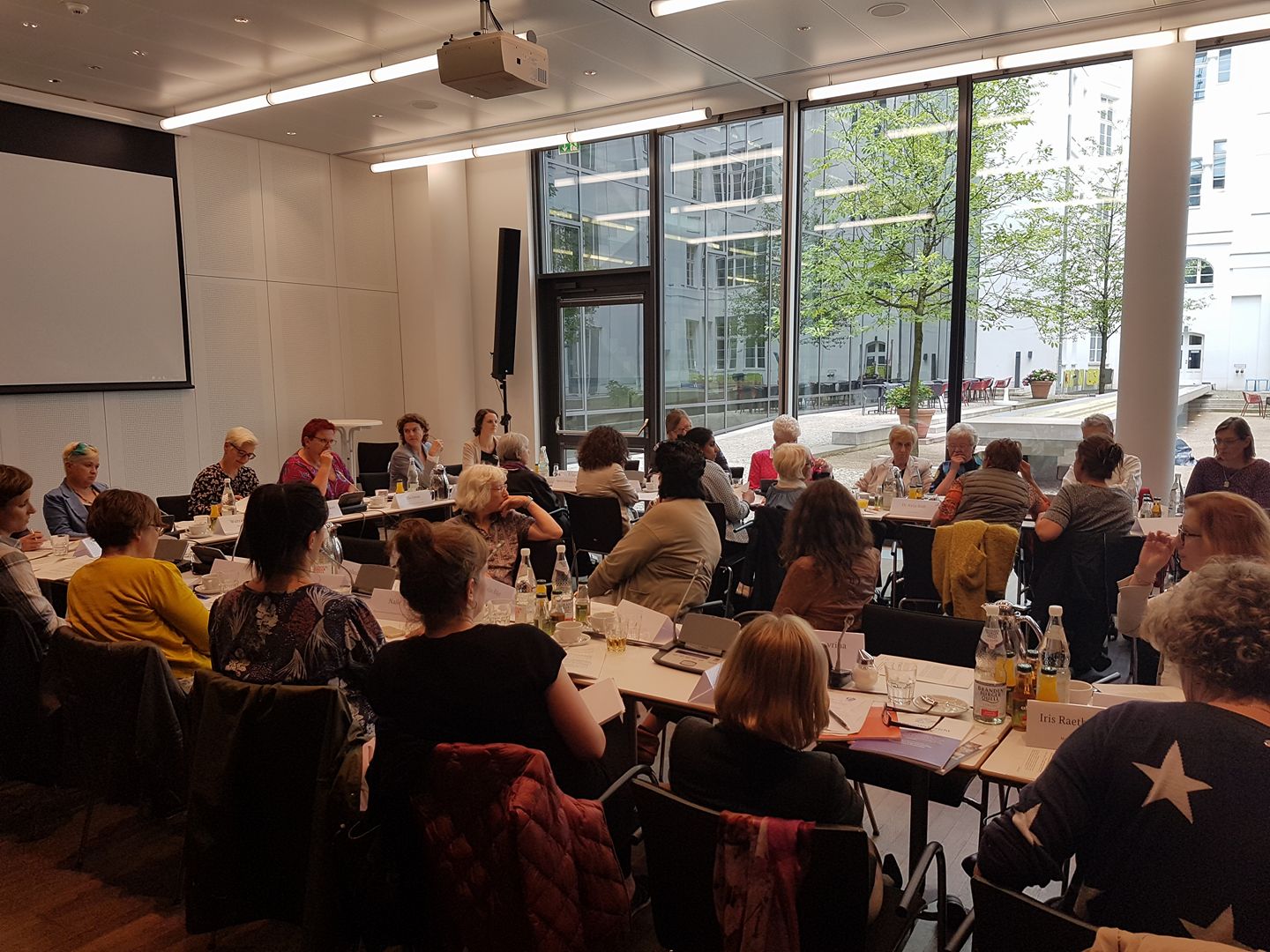
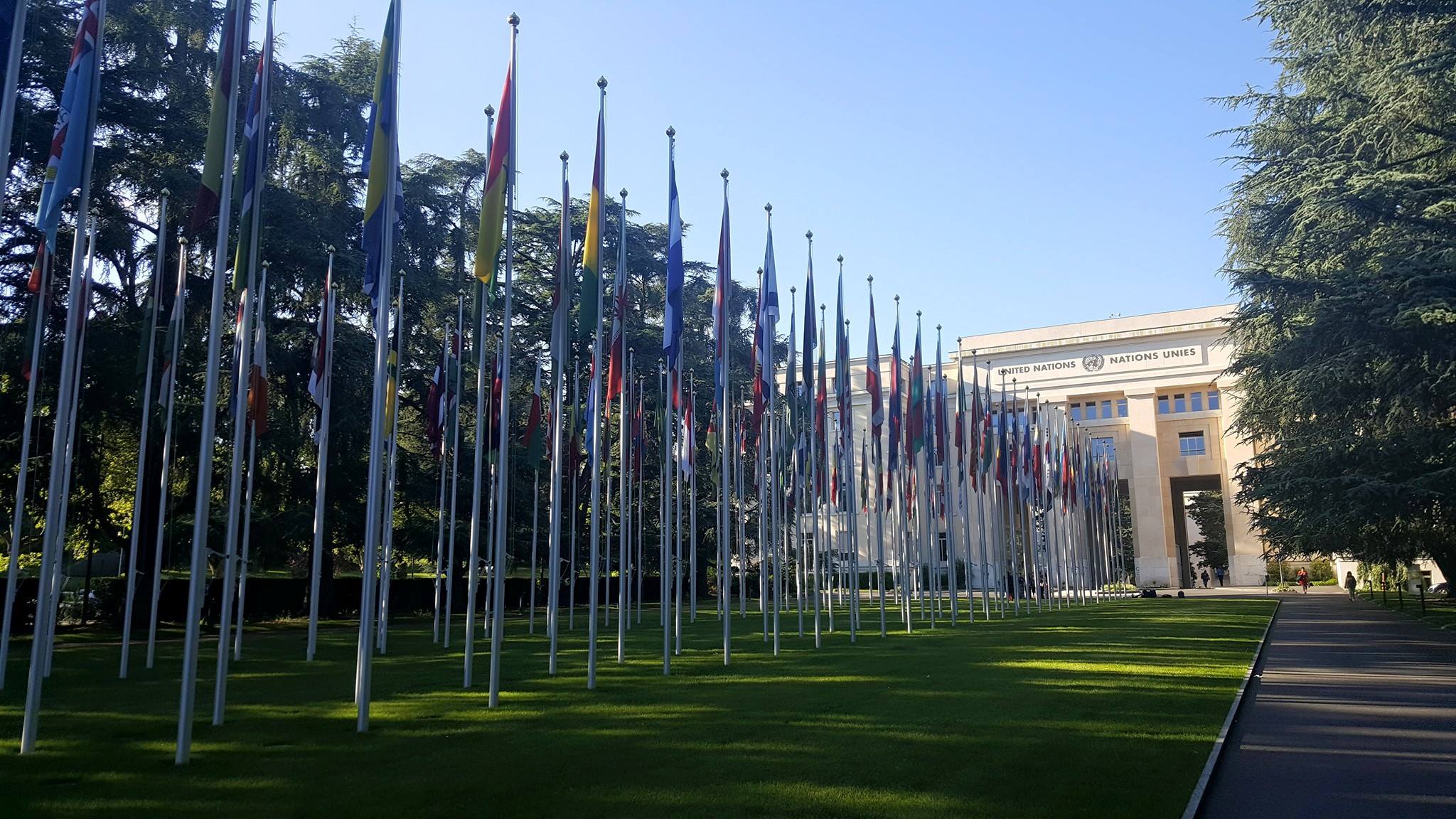
Costa Rican women’s rights defenders are in Geneva this month to report on the situation of women, as the UN evaluates the country’s commitments to eliminating discrimination against women.
They have painted a grim picture in a year when femicides – or deaths of women at the hands of their male romantic partners – are on the rise, and religious fundamentalism is steadily gaining a foothold in politics.
The first day of hearings included a range of criticisms from a lack of access to abortion in cases of rape or incest, to “slow and humiliating judicial procedures for divorce and child support that many women can not afford,” to “the interference of the religious leadership in legislation and policies which concern women and LGBTI populations.”
On Monday, July 3, the United Nations Committee on the Elimination of Discrimination against Women (CEDAW) met with representatives of non-governmental organizations and a national human rights institution to hear information on the situation of women in Italy, Thailand, Romania and Costa Rica. These reports are being considered during the first week of the committee’s sixty-seventh session that started this week, according to the UN Geneva Office website.
“The church has a very powerful voice in all debates, but more concerning is religious fundamentalism in the congress, as a number of members are pastors, including the current president of the parliament, who uses the language of religious values to distance the country from its laws,” reported a representative of the Coalicion Feminista Para el Avance de los Derechos de las Mujeres (Feminist Coalition for the Advancement of Women’s Rights), an outgrowth of ACCEDER (the Strategic Action Group on Human Rights), a San José, Costa Rica-based citizens group dedicated to strategic litigation, training and social leadership to prevent and eradicate violence and discrimination based on gender, sexual orientation, and gender identity.
“The confessional nature of the State … promotes the interference of religious leaders in legislation and policies … that affects the rule of law and the rights of women, particularly their sexual and reproductive health rights,” continued the coalition’s report, which has been criticized in several local Costa Rican media.
Such interference in state policies, “raises concern about … the work of the judiciary, and undermines the decisions of the Inter-American human rights system and treaties,” continued the report.
The women’s human rights’ defenders said that, “Costa Rica has not demonstrated the will to comply with the recommendations of CEDAW to ensure legal access to abortion to women and girls who are victims of rape or incest, and to change the very restrictive interpretation of the law by medical personnel with regard to access to abortion when the life of a pregnant woman is in danger,” noting it is virtually impossible for women to access the emergency contraceptive – or “morning after” – pill.
The coalition described divorce and alimony procedures as a form of “economic violence against women,” due to the judiciary’s “slow, humiliating and victimizing procedures” in which women often did not have access to adequate legal representation due to prohibitive costs.
On a more positive note, the coalition reported that the Costa Rican government has made headway in terms of the rights of lesbian, gay, bisexual, transgender and intersex persons, but said that more attention was needed to the specific needs of lesbian and bisexual women.
Citing no sanctions for sexism in the media, and outdated laws, the coalition reported to the UN that harmful gender stereotypes in Costa Rica are pervasive and persistent.
The United States is among several countries that have not ratified the CEDAW treaty.



