


 SIGN UP FOR OUR
 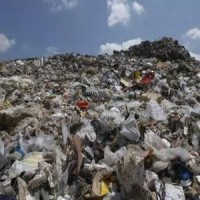 Fifty percent of all municipal solid waste generated in Costa Rica comes from organic matter, according to a recent report issued by the World Bank. Twenty-one percent of garbage discarded by Ticos comes from paper, 18 percent from plastic, two percent from glass, and two percent from metal sources.
In “What a Waste: A Global Review of Solid Waste Management” (PDF), Costa Rica is classified as a country with an income level between upper middle and high among the 109 nations included in the study. Costa Rica’s neighbor to the south, Panama, produces less organic waste, but discards considerably higher levels of paper, metal, plastic, and glass. Compared to the 18 other countries in the Latin American and Caribbean region included in the study, Costa Rica is in the lower limits of producing glass, metal and plastic refuse. In terms of discarded paper, Costa Rica is at an average level, but on a higher range with regard to organic waste.
Municipal solid waste generation (MSW) in Costa Rica is expected to double by the year 2025. According to the World Bank, the amount of municipal solid waste generated in communities around the world is one of the most important by-products of the urban lifestyle, and it is growing faster than the rate of people moving to megacities and other major urban centers.
The World Bank report indicates that:
“[…] ten years ago there were 2.9 billion urban residents who generated about 0.64 kg of MSW per person per day (0.68 billion tons per year). […] today these amounts have increased to about 3 billion residents generating 1.2 kg per person per day (1.3 billion tons per year). By 2025 this will likely increase to 4.3 billion urban residents generating about 1.42 kg/capita/day of municipal solid waste (2.2 billion tons per year).”
The report also put the rate of garbage collection in Costa Rica at 100 percent in several urban centers, but waste management remains a challenge in the Caribbean and other regions of the country.



